

Table of Contents
- Can You Spray Paint Pool Noodles? The Short Answer
- Why Spray Paint Melts Foam and How to Prevent It
- Best Spray Paint for EPE Foam: Types and Recommendations
- Step-by-Step Process for Painting Pool Noodles
- Preventing Paint Cracking on Foam Surfaces
- How to Shape Foam for Cosplay Armor and Custom Projects
- Safety Precautions and Ventilation Requirements
- Common Mistakes to Avoid When Painting Pool Noodles
- Frequently Asked Questions
Last Updated: September 26, 2026
Can You Spray Paint Pool Noodles? The Short Answer
Yes, you can spray paint pool noodles, but you need to use the right type of paint and follow proper techniques to prevent the foam from melting or cracking. The key is choosing water-based acrylic spray paint instead of solvent-based options, which contain chemicals that dissolve polyethylene foam. Below, we'll show you exactly how to spray paint pool noodles successfully and avoid the most common mistakes that ruin foam surfaces.
Why Spray Paint Melts Foam and How to Prevent It
Spray paint melts foam because many spray paints contain powerful solvents that break down polyethylene, the material that makes up pool noodles. The solution is simple: use water-based acrylic spray paint instead. Water-based formulas don't contain the harsh solvents that attack foam and dry on the surface without dissolving the material underneath.
Solvent-based paints eat through foam in seconds, making it sticky and causing permanent damage.
Polyethylene vs. Styrofoam: Which Foam Can You Paint
Not all foam is the same. Pool noodles are made from polyethylene (EPE), which is flexible and durable. Styrofoam, on the other hand, is expanded polystyrene (EPS), a completely different material with different properties.
Best Spray Paint for EPE Foam: Types and Recommendations
Water-based acrylic spray paint is the only safe choice for polyethylene foam. Look for cans labeled "water-based" or "acrylic", these formulas use water as the carrier instead of harsh chemical solvents.
What to look for:
- Water-based or acrylic label on the can
- Non-flammable or low-VOC (volatile organic compound) rating
- Quick-dry formula (30 minutes to 1 hour)
Avoid these types:
- Solvent-based or enamel spray paints
- Oil-based formulas
- Paints with xylene, toluene, or other strong solvents
- Lacquers and shellacs
The Critical Role of Primer for EPE Foam
Primer is not optional. It improves adhesion and prevents paint from soaking into the foam's porous surface, which leads to uneven color and faster degradation.
Why primer matters for polyethylene foam:
- Creates a sealed base layer that prevents paint from wicking into the foam
- Allows water-based paint to adhere uniformly, reducing flaking
Recommended primer approach:
- Use a water-based acrylic primer designed for foam or plastic surfaces
- Apply primer with a brush or foam roller in thin, even coats
- Allow primer to dry 1-2 hours before spray painting
- Primer acts as insurance: if you accidentally grab a solvent-based paint later, the primer layer protects the foam underneath
Step-by-Step Process for Painting Pool Noodles
Painting pool noodles is straightforward when you follow the right sequence.
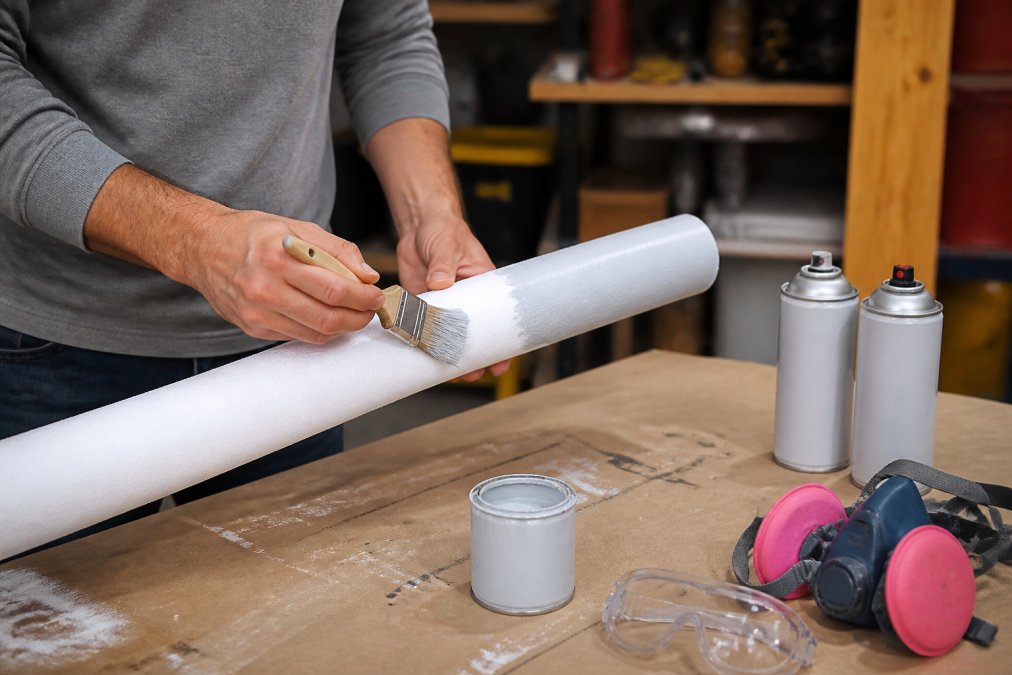
Surface Preparation and Primer Application
Clean your pool noodle with warm water and mild soap, then dry completely. Apply a water-based acrylic primer with a brush or roller in thin, even coats and let it dry for 1-2 hours before spray painting. Primer creates a neutral base that helps paint colors appear more vibrant and last longer.
Spray Technique and Application
Hold the spray can 6-8 inches from the foam surface and spray in light, overlapping passes. Move the can in smooth, horizontal or vertical motions, overlapping each pass by about 50 percent. Apply 2-3 thin coats, waiting 15-20 minutes between coats, thin layers adhere better and flex with the material.
Drying Time and Curing Process
Water-based acrylic spray paint dries to the touch in 30 minutes to 1 hour, but wait at least 24 hours before heavy handling or water exposure. Keep the painted noodle in a well-ventilated area away from direct sunlight during drying.
Preventing Paint Cracking on Foam Surfaces
Paint cracks on foam when the coating can't flex with the material underneath. Polyethylene foam naturally expands and contracts with temperature changes and physical stress, so understanding how to prevent cracking is essential for projects that will see regular use or outdoor exposure.
Common causes of cracking:
- Using oil-based or enamel paints that don't flex with the foam
- Applying paint too thick in a single coat, which creates a brittle shell
- Exposing painted foam to extreme temperature swings (direct sunlight followed by cold storage)
- Bending or flexing the foam before paint fully cures
- UV exposure over weeks or months, which hardens and embrittles acrylic coatings
How to prevent cracking during initial application:
- Use water-based acrylic paint, which flexes with the foam as it moves
- Apply multiple thin coats (2-3) instead of one thick coat
- Allow 24-48 hours of full curing before heavy use
- Store painted noodles in a temperature-stable environment away from direct sunlight
Long-Term Durability: UV and Water Exposure
Painted pool noodles exposed to sunlight, chlorine, or saltwater face additional stresses that cause paint to fade, crack, and peel.
UV exposure effects:
- Water-based acrylic paint degrades under prolonged UV exposure (weeks to months of outdoor use)
- Sunlight hardens the paint coating, reducing its ability to flex with the foam
- Color fading is visible within 4-8 weeks of regular outdoor exposure
- Cracks typically appear first at stress points: where the noodle bends, where it contacts pool edges, or where it flexes during use
Water and chlorine exposure:
- Chlorinated pool water penetrates thin paint coatings and can cause the paint to lift or peel
- Saltwater accelerates degradation of acrylic coatings
- Paint that hasn't fully cured (less than 48 hours) is especially vulnerable to water damage
- Repeated wetting and drying cycles cause the paint to crack at the edges and seams
Extending paint life in harsh conditions:
- Apply a clear, UV-protective topcoat after the base paint cures (optional but recommended for outdoor noodles)
- Use a thicker primer base to create more barrier between the foam and the paint
- Limit direct sunlight exposure when not in use; store painted noodles indoors or under cover
- Allow paint to cure a full 48 hours before water exposure
- Inspect painted noodles monthly for early signs of cracking or peeling
Repairing Melted or Cracked Foam
If paint cracks appear or foam accidentally melts during painting, the damage is usually permanent, but you can extend the life of the noodle with targeted repairs.
If paint cracks:
- Sand the cracked area lightly with fine-grit sandpaper (220-grit or higher)
- Wipe away dust with a damp cloth and allow to dry completely
- Apply a thin coat of the same water-based acrylic paint as a touch-up
- This won't completely hide the damage, but it seals the crack and prevents water from entering and extending the damage
- For cosmetic projects where appearance matters, consider painting over the entire noodle again rather than patching
If foam melts from solvent-based paint:
- The damage is irreversible; the foam's structural integrity is compromised
- If only a small area melted, you can sand away the sticky residue and repaint with water-based acrylic
- For large melted areas, the noodle is no longer safe for use and should be replaced
- This is why testing paint on scrap foam first is critical, it prevents this outcome entirely
How to Shape Foam for Cosplay Armor and Custom Projects
Polyethylene foam is ideal for cosplay and costume armor because it's lightweight, flexible, and easy to shape. You can cut, carve, and heat-form it into almost any design.
Basic shaping techniques:
- Use a sharp utility knife or box cutter for straight cuts
- A heat gun softens foam for gentle bending and shaping
- Carve details with a rotary tool or Dremel
- Sand edges smooth with medium-grit sandpaper
- Glue pieces together with foam-safe adhesive
Safety Precautions and Ventilation Requirements
Spray painting indoors requires proper ventilation, even with water-based paints. While water-based formulas are safer than solvent-based options, they still release fumes during application.
Safety steps:
- Work outdoors or in a well-ventilated space
- Wear a dust mask or respirator rated for spray paint fumes
- Avoid breathing paint mist directly
- Keep the spray can at least 6-8 inches from your face
- Wash your hands after painting
- Store spray paint cans in a cool, dry place away from heat and sunlight
Common Mistakes to Avoid When Painting Pool Noodles
Using the wrong paint type. This is the biggest mistake. Solvent-based paints melt foam instantly. Always verify the can says "water-based" or "acrylic" before buying.
Frequently Asked Questions
What spray paint can you use on pool noodles?
Water-based acrylic spray paint is the safest choice for pool noodles made from polyethylene foam (EPE). These paints have lower solvent content and won't dissolve the foam's structure. Avoid solvent-based spray paints, which contain harsh chemical propellants that cause melting and degradation. Always apply a foam-safe primer first to improve adhesion and create a protective barrier between the foam and paint.
Does spray paint melt foam pool noodles?
Yes, certain spray paints can melt polyethylene foam. Solvent-based spray paints contain chemical propellants and solvents that break down the foam's synthetic polymer structure, causing it to dissolve or become porous. Water-based acrylic paints pose far less risk. The key to preventing melting is testing on a scrap piece first, using a foam-safe primer, and maintaining proper spray distance (6-8 inches) to avoid concentrated chemical exposure.
How do you seal paint on a pool noodle?
After your final coat of water-based acrylic paint has fully cured (typically 24-48 hours), apply a clear, water-based polyurethane or acrylic sealer for added durability and protection. Use light, even coats to avoid cracking. This protective coating improves paint durability, reduces flaking, and adds weather resistance. Allow full curing time between coats, and always ensure adequate ventilation during application.
Will acrylic paint stick to pool noodles?
Water-based acrylic paint has limited adhesion to untreated polyethylene foam without proper preparation. Using a foam-safe primer dramatically improves surface adhesion and prevents flaking. Primer creates a slightly textured surface that helps paint bond more effectively. Always sand the noodle lightly with fine-grit sandpaper and clean thoroughly before priming and painting to maximize adhesion and ensure a long-lasting finish.
Spray painting pool noodles is simple when you use water-based acrylic paint and follow the right process. The key is understanding that solvent-based paints attack polyethylene foam, while water-based formulas adhere safely without melting the material. FoamNoodles offers high-quality polyethylene foam noodles in bulk that accept paint beautifully and hold up to repeated use. View All our foam products and start your next creative project with confidence.