

Table of Contents
- What Are White Pool Noodles and Why Choose Them
- Understanding Pool Noodle Sizes and Dimensions
- Pool Noodles for Crafts and Creative Projects
- Pool Noodle Floating Uses and Water Activities
- How to Clean Pool Noodles and Extend Their Life
- Foam Material and Safety Standards
- Choosing the Right White Pool Noodle for Your Needs
- Frequently Asked Questions
Last Updated: October 5, 2026
What Are White Pool Noodles and Why Choose Them
White pool noodles are lightweight foam tubes designed for water activities, crafts, and creative projects. Whether you're building obstacle courses, protecting furniture edges, or creating DIY decorations, white pool noodles deliver practical value across dozens of use cases.
White pool noodles float, are durable, and affordable enough to buy in bulk. They're made from expandable polyethylene (EPE) foam, a material that's safe, non-toxic, and certified for use by children and adults alike.
Understanding Pool Noodle Sizes and Dimensions
Pool noodle sizing affects performance, handling, and project fit.
Standard vs. Jumbo Noodles
Standard white pool noodles typically measure 48 inches long with a 2.5-inch diameter. This size is the most versatile, it's easy to handle for kids and adults, fits standard pool widths, and works well for crafts and DIY projects. The ASTM International safety standards certify these dimensions for ages 5 and up when used appropriately.
Jumbo noodles measure approximately 55 inches long with a 3.25-inch diameter, providing more buoyancy and surface area. They're ideal for heavier users, water aerobics classes, and commercial pool settings.
For home users, standard noodles offer the best balance of storage, transport, and handling. Jumbo noodles suit bulk facility purchases or maximum flotation needs.
Hollow Core vs. Solid-Core Construction
Hollow-core noodles feature a 1-inch central hole, reducing weight and making them easier to carry and maneuver. They're popular for threading rope or using as protective sleeves. The trade-off is less foam volume, which slightly affects buoyancy and compression resistance.
Solid-core noodles are completely filled with foam, delivering superior buoyancy and stiffness. They resist compression and hold shape better under pressure, but are heavier and require more storage space.
Foam Density and Wall Thickness
The density of EPE foam affects performance. Standard noodles balance buoyancy with durability. Wall thickness on hollow-core noodles typically ranges from 0.75 to 1 inch, with thicker walls providing better puncture resistance.
For swimming and water play, standard hollow-core noodles work fine and cost less. For water aerobics or rigid support, solid-core construction is worth the investment. For crafts, standard hollow-core noodles are ideal because lower cost justifies replacement if needed.

Pool Noodles for Crafts and Creative Projects
White pool noodles have become a staple in the DIY and craft community. Their neutral color, workable foam structure, and affordability make them ideal for dozens of creative applications.
Common craft uses include obstacle course construction, stage props, and nautical décor. Many people cut noodles into sections to create custom pieces for their projects. The foam cuts cleanly with a utility knife or saw.
Decorative applications are endless. Paint white noodles with spray paint to match your theme, wrap them with rope for nautical styling, or combine multiple noodles to build larger structures. Teachers use them as classroom aids, event planners incorporate them into party setups, and homeowners repurpose them for protective padding around furniture and doorways.
The material takes paint well and accepts various adhesives, so customization is straightforward. Many crafters buy white pool noodles in bulk because the cost per unit makes experimentation affordable. If a project doesn't work out, you haven't invested much.
| Craft Application | Best Noodle Type | Why It Works |
|---|---|---|
| Obstacle courses | Standard hollow-core | Lightweight, easy to handle and position |
| Stage props | Solid-core | Better shape retention under pressure |
| Protective padding | Standard hollow-core | Affordable, easy to cut and wrap |
| Decorative structures | Either type | Low cost allows creative experimentation |
Pool Noodle Floating Uses and Water Activities
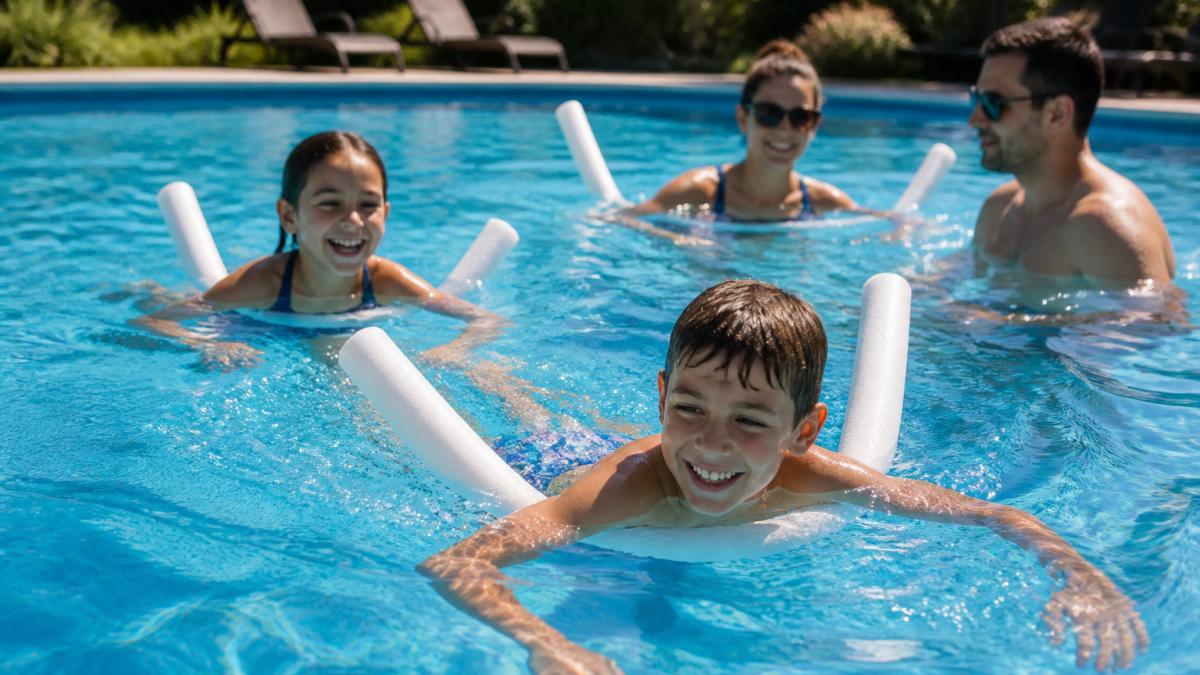
The floating capability of white pool noodles is what made them popular in the first place. Their buoyancy supports swimmers of all ages and skill levels in the water.
Swimming and Water Aerobics
White pool noodles provide flotation support for swimmers learning to swim or building confidence in deeper water. The noodle's buoyancy allows users to focus on technique without worrying about staying afloat. This makes them invaluable in swim lessons and water aerobics classes.
Water aerobics instructors use noodles to create resistance and support during exercise routines. The foam provides both flotation and a tool for movement patterns that build strength and endurance. Many fitness facilities keep multiple noodles on hand because they're durable, affordable, and essential to class structure.
Buoyancy and Float Support
The floating ability of white pool noodles comes from their foam composition. EPE foam is less dense than water, so it naturally displaces enough water to provide lift. Standard hollow-core noodles float reliably, while solid-core designs offer even greater buoyancy.
For children or weak swimmers, the noodle's support reduces anxiety and builds confidence. For adults, noodles provide flotation assistance during water exercise or recovery activities. The key is choosing the right construction, solid-core noodles deliver superior float support if that's your primary need.
How to Clean Pool Noodles and Extend Their Life
Proper maintenance keeps white pool noodles looking and performing well for years. The care process is straightforward.
Routine Cleaning and Water Care
After each use, rinse the noodle with fresh water to remove chlorine, salt, and debris. This step is critical because chlorine and salt can degrade the foam surface over time, causing brittleness and discoloration. For deeper cleaning, use mild soap and water, then rinse thoroughly. Avoid harsh chemicals, bleach, or abrasive scrubbing, which can damage the foam surface.
Oodles of Noodles White - 6 Pack →
If noodles are used in saltwater pools or ocean environments, rinse them more frequently. Salt residue accelerates foam degradation and can cause the surface to become rough or chalky. Fresh-water pool users can typically get away with weekly rinsing, while saltwater users should rinse after each session.
Storage and Environmental Protection
Store noodles in a cool, dry place away from direct sunlight. UV exposure is the primary environmental threat to white pool noodles. Prolonged sun exposure degrades the EPE foam, causing brittleness, yellowing, and loss of buoyancy. A storage closet, garage, or shaded outdoor area works well. If you must store noodles outdoors, use a UV-protective cover or tarp to shield them from direct light.
Keep noodles flat or rolled loosely to prevent permanent creasing. Storing them under heavy weight or in tight bundles can compress the foam permanently, reducing buoyancy and creating weak points. Most users find that storing noodles horizontally on a shelf or in a bin works best for long-term preservation.
Temperature also matters. Extreme heat can soften EPE foam, while freezing temperatures can make it brittle. Store noodles in an environment where temperatures remain between 50°F and 85°F for optimal preservation. Basements and climate-controlled garages are ideal; unheated sheds or outdoor storage in harsh climates will shorten noodle lifespan.
Recognizing Wear and End-of-Life Signs
White pool noodles don't fail suddenly, they degrade gradually. Early signs of wear include surface roughness, visible discoloration (yellowing or graying), and reduced buoyancy. If a noodle that once supported your weight now sinks slightly, it is nearing the end of its useful life.
Small tears or punctures can be extended with foam-safe adhesive or patches, particularly if the damage is minor. However, if a noodle develops multiple punctures, large cracks, or persistent softness despite proper storage, replacement is more economical than repair. The affordability of bulk purchases means replacement is practical when noodles reach the end of their usable life, typically 3 to 5 years with regular use and proper care.
For craft applications where noodles will be cut or painted, minor surface wear doesn't affect performance. For water activities where flotation is critical, retire noodles showing significant degradation to prevent safety issues.
Foam Material and Safety Standards
White pool noodles are made from expandable polyethylene (EPE) foam, a material specifically chosen for safety and performance in aquatic and recreational applications. The foam is lightweight, durable, and non-toxic, important qualities for products used by children and adults.
Quality manufacturers, including FoamNoodles, ensure their noodles meet ASTM F963-17 consumer safety standards, which certify the product for ages 5 and up. The foam is free from BPA, phthalates, and PVC, chemicals that can leach into water or cause health concerns with prolonged contact.
The material resists water absorption, so noodles don't become waterlogged or develop mold when stored damp. This durability is why quality foam noodles last through multiple seasons of use.
Choosing the Right White Pool Noodle for Your Needs
Selecting the right white pool noodle depends on your specific use case. Consider these factors: intended use (swimming, crafts, or protection), user weight and strength, storage space, and budget.
For families with young children learning to swim, standard hollow-core noodles are ideal. They're lightweight, affordable, and provide adequate flotation support.
For water aerobics classes or fitness applications, solid-core noodles deliver superior performance. The denser foam provides better resistance and buoyancy, which matters when the noodle is doing real work in your fitness routine.
For craft projects, standard noodles work perfectly. The cost per unit is low enough that you can experiment freely. If you need custom sizes or specific quantities, buying bulk packs from FoamNoodles ensures you have plenty of material to work with.
The Consumer Product Safety Commission guidance recommends checking product certifications before purchase, especially for items used by children. Quality matters, while properly formulated EPE foam maintains performance season after season.
| Use Case | Recommended Type | Quantity to Buy | Why |
|---|---|---|---|
| Swim lessons (1-2 kids) | Standard hollow-core | 6-pack | Adequate flotation, easy storage |
| Water aerobics class | Solid-core | 12+ pack | Superior buoyancy, durability |
| Craft projects | Standard hollow-core | 12-pack bulk | Low cost, plenty for experimentation |
| Home protection padding | Standard hollow-core | 6-pack | Affordable, easy to cut and position |
White pool noodles solve real problems across water activities, crafts, and home projects. Whether you're looking for affordable flotation support or versatile foam for DIY work, white noodles deliver reliable performance at a price that makes bulk buying sensible.
Frequently Asked Questions
What are white pool noodles best used for?
White pool noodles serve multiple purposes beyond the pool. They work as floating aids for swimming lessons and water aerobics, craft materials for DIY projects and decorations, protective padding for furniture and doors, and even as insulation or protective wrapping. Their versatility makes them valuable for parents, educators, crafters, and contractors. The hollow core design of standard white noodles makes them especially useful for projects requiring lightweight foam that can be cut or shaped.
What size pool noodle should I buy?
Choose based on your intended use. Standard white pool noodles are typically 48 inches long with a 2.5-inch diameter, ideal for most swimming and craft applications. Jumbo white noodles measure approximately 55 inches long and 3.25 inches wide, offering greater buoyancy and visibility for water activities. Solid-core white noodles at 55 inches long provide superior flotation due to their denser foam compound. For small DIY projects, standard noodles work well; for commercial pools or large craft projects, jumbo sizes offer better value.
How do I know if white pool noodles will last long enough for my project?
Quality matters in foam durability. Look for noodles made from EPE foam without harmful chemicals like BPA, phthalates, or PVC. Noodles manufactured in North America with proper safety certifications (like ASTM F963-17) tend to have better longevity. Proper storage extends lifespan significantly: keep noodles in a cool, dry location away from direct sunlight and extreme heat. Regular cleaning and gentle handling prevent premature deterioration. Bulk purchases from reliable sources often come with quality guarantees and fast shipping to ensure your foam arrives in perfect condition.
Can I cut white pool noodles for custom projects?
Yes, white pool noodles can be cut to fit specific project needs. The hollow core design makes cutting easier than solid-core options. You can use a sharp utility knife or serrated saw for clean cuts. After cutting, sand the edges lightly if needed. Many people repurpose noodle sections for kayak stabilizers, protective padding, craft decorations, and DIY insulation projects. Solid-core noodles offer slightly more resistance during cutting but provide denser material for applications requiring stiffness. Always wear safety equipment when cutting foam.